
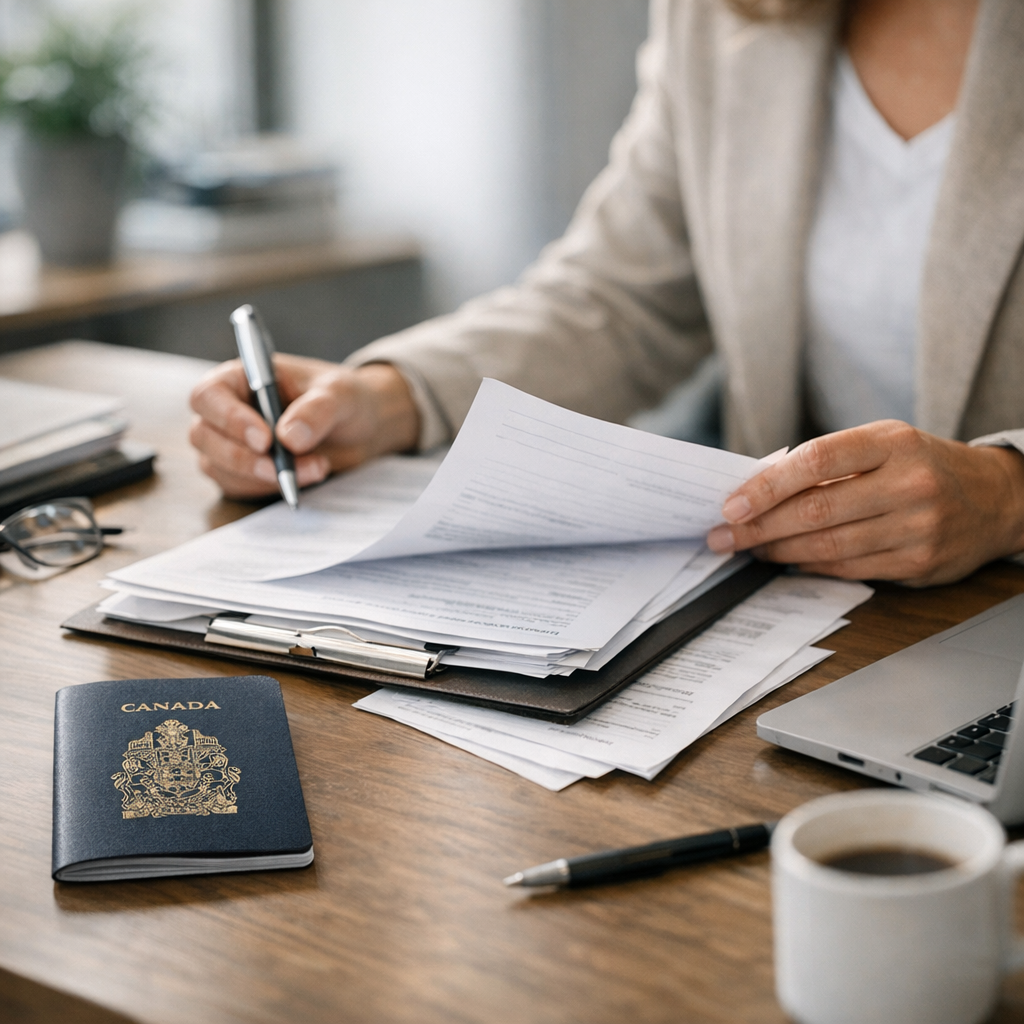
Recent coverage about actor Josh Duhamel has brought attention to an important Canadian citizenship issue: changes to Canada’s citizenship law have affected some people born outside Canada, including individuals with Canadian family connections.
What this update means
The key point is not about celebrity status. It is about citizenship rules that were changed by the federal government and may have made some people Canadian citizens automatically, depending on their family history and the law in force at the time of birth.
For some families, this can mean a person may already have Canadian citizenship even if they never applied for it before. In those cases, the next step is often to confirm citizenship status and, if needed, apply for proof of citizenship.
Why this matters
Citizenship law can be complex, especially when it involves people born abroad, adopted children, or families with ties to Canada across more than one generation. A public story like this can help people realize they may want to review their own situation more carefully.
Possible impact
The practical impact may vary widely. Some people may discover they are already Canadian citizens under the law. Others may find that they do not qualify because their family situation does not fit the legal rules.
It is important not to assume that a Canadian parent or grandparent automatically creates citizenship rights in every case. The details matter, including dates of birth, place of birth, and whether citizenship was passed down under the rules that applied at the time.
Who may want to look into this
- People born outside Canada to a Canadian parent
- Families with a long history of cross-border ties
- Individuals who have never applied for proof of citizenship
- People unsure whether a past law change affected their status
What applicants should do next
If you think this update may apply to you or a family member, the safest next step is to review the official citizenship rules and gather key documents before making any assumptions.
- Check your date and place of birth
- Confirm your parent’s or grandparent’s citizenship history
- Review whether a citizenship law change may apply to your case
- Look at the current IRCC guidance on proof of citizenship
- Seek professional advice if your family history is complicated
Because citizenship cases can turn on small factual details, it is best to verify your situation before submitting an application or relying on informal advice.
FAQ
Does this mean every person born abroad to a Canadian family is automatically a citizen?
No. Citizenship depends on the specific legal rules that applied at the time and on the facts of the family’s situation.
What is proof of citizenship?
Proof of citizenship is an official document that confirms a person is a Canadian citizen. It is often used when someone believes they already have citizenship but needs documentation.
Should I apply if I am unsure about my status?
You should first review the official rules and your family documents. In more complex cases, professional guidance can help you understand whether proof of citizenship is the right next step.
Is this update about a new citizenship law?
No. The story highlights the effect of a citizenship law change and how it may apply to some people. The available details are limited, so each case should be checked individually.
Immigration policies and procedures can change. This article is for general information only and does not constitute legal advice.
Conclusion
This update is a reminder that Canadian citizenship rules can have long-term effects for families with cross-border histories. If you think you may already be a citizen, or if you are unsure whether a law change affects you, review the official guidance and confirm the facts before taking action.